
Deep-tissue Massage - 90 Mins Gallery
$$MultiPurposeText$$
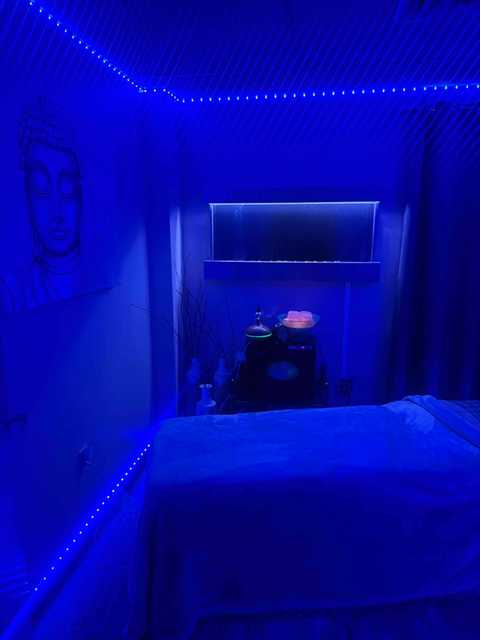
See examples of our Deep-tissue Massage - 90 Mins work and results.




What Our Clients Say
$$MultiPurposeText$$
Read testimonials from our satisfied customers

Darrin is a consummate professional and truly understands anatomy. I feel miles better aft...more

Darin gave a great deep tissue massage. He listened to what I said about problem areas, th...more

Great massage experience! I received a deep tissue full-body session, and the therapist wa...more

...more
Frequently Asked Questions
Get answers to common questions about Deep-tissue Massage - 90 Mins.
Deep-tissue pressure is firm and focused to reach deeper muscle layers. Therapists prioritize your comfort and can adjust intensity. Expect therapeutic discomfort rather than pain; communicate throughout the session so pressure is modified and techniques remain effective without causing excessive soreness.
Mild soreness or tenderness can occur 24–48 hours after a deep-tissue session as muscles adapt. Hydrate, rest, and use gentle stretching or heat. If severe pain, swelling, or prolonged symptoms occur, contact your therapist or healthcare provider immediately.
Yes — aromatherapy, hot stones, Himalayan salt stones, warm towels, and an optional foot scrub are available to enhance the 90-minute treatment. Let your therapist know preferences during booking and consultation to incorporate chosen add-ons safely.
Arrive hydrated, avoid a heavy meal immediately beforehand, and wear loose clothing. Complete intake forms and inform the therapist of medical history, injuries, or sensitivities. Communicate any pain thresholds so the therapist can customize pressure and techniques.
Deep-tissue massage may be contraindicated during some pregnancies or acute injuries. Always disclose pregnancy, recent surgeries, blood clots, or fractures at booking. Your therapist will recommend modifications or alternative treatments to ensure safety and therapeutic benefit.
Frequency depends on goals and severity; many clients begin with weekly sessions for several weeks, then shift to biweekly or monthly maintenance. Your therapist will create a plan based on progress, pain levels, and lifestyle to optimize long-term results.
Read more about Deep-tissue Massage - 90 Mins
$$MultiPurposeText$$
Explore our latest insights and guides on Deep-tissue Massage - 90 Mins.
